
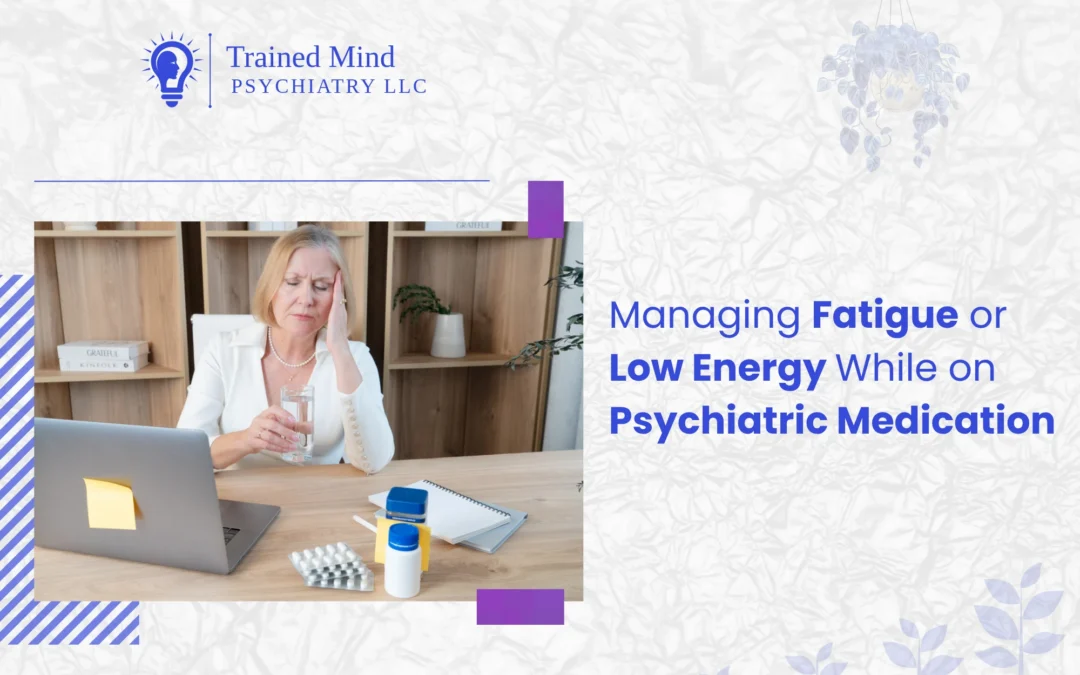
Feeling unusually tired or low on energy after starting a psychiatric medication can be discouraging. You may have hoped the treatment would lift your mood or improve focus, only to find yourself more drained during the day. Fatigue is a relatively common experience with certain psychiatric medications, and it can also overlap with residual symptoms of depression, anxiety, or other conditions being treated.
The good news is that this side effect is often manageable. Understanding possible reasons, learning practical strategies, and working closely with your provider can help restore more usable energy while you continue benefiting from treatment.
Why Psychiatric Medications Can Affect Energy Levels
Psychiatric medications influence brain chemicals that regulate mood, attention, and arousal. Some of these same systems also play a role in alertness and sleep-wake cycles. As a result, certain medications may produce sedation, daytime drowsiness, or a general sense of low energy, especially when treatment first begins or after a dose change.
Different medication classes can contribute in different ways. Some antidepressants, certain antipsychotics, mood stabilizers, and anti-anxiety medications are more likely to feel sedating for some people. Individual factors such as dose, timing, metabolism, other medications, sleep quality, and the underlying condition itself all influence how strongly fatigue appears.
It is also important to remember that low energy is frequently part of the original condition. Depression, for example, often includes fatigue as a core symptom. Distinguishing between medication side effects and ongoing symptoms of the illness helps guide the most useful next steps.
Distinguishing Medication-Related Fatigue from Other Causes
Paying attention to timing and patterns can offer useful clues:
- Fatigue that begins or worsens shortly after starting a new medication or increasing the dose is more likely related to the medicine.
- Tiredness that was already present before treatment, or that tracks closely with low mood, loss of interest, or other depressive symptoms, may reflect residual or ongoing illness.
- Fatigue that improves with better sleep or light activity may have lifestyle contributors.
- Persistent, unexplained low energy can also stem from medical issues such as thyroid problems, anemia, sleep apnea, or vitamin deficiencies, which are worth ruling out.
Keeping brief notes about when energy dips, how it relates to medication timing, sleep quality, and mood can make conversations with your provider more productive.
Practical Strategies to Support Energy
While working with your clinician on any needed adjustments, several everyday approaches often help reduce the impact of fatigue:
Optimize medication timing
If a medication tends to cause drowsiness, taking it at bedtime (when approved by your provider) can shift sedating effects into sleep hours. Conversely, more activating medications are often better taken earlier in the day. Never change timing without guidance.
Protect and improve sleep
Consistent sleep and wake times, a calming wind-down routine, limited screen exposure before bed, and a comfortable sleep environment support better daytime energy. Addressing sleep disruptions can make a noticeable difference.
Incorporate gentle movement
Light physical activity, such as short walks, stretching, or easy movement, frequently boosts energy more effectively than complete rest. Start small and choose activities that feel realistic on lower-energy days.
Support basic physical needs
Regular meals, steady hydration, and balanced nutrition help maintain stable energy. Skipping meals or becoming dehydrated can amplify fatigue.
Simplify demands during lower-energy periods
Break tasks into smaller steps, prioritize essentials, and allow rest when needed without self-criticism. Conserving mental and physical resources can prevent deeper exhaustion.
Limit additional sedating substances
Alcohol, certain over-the-counter sleep aids, and other sedating medications can compound drowsiness. Review everything you take with your provider or pharmacist.
These strategies work best as complements to professional care rather than replacements for it.
Working With Your Provider on Adjustments
Open communication is essential. Share specific details about when fatigue occurs, how severe it feels, and how it affects daily functioning. Your provider may consider options such as:
- Adjusting the dose
- Changing the time of day you take the medication
- Switching to a different medication within the same class or to another class that is less sedating for you
- Adding or adjusting complementary strategies
- Evaluating for other medical contributors to low energy
Never stop or change a psychiatric medication on your own. Abrupt changes can lead to return of symptoms or other discomfars.
It is also important to remember that low energy is frequently part of the original condition. Depression, for example, often includes fatigue as a core symptom. Distinguishing between medication side effects and ongoing symptoms of the illness helps guide the most useful next steps.cially when depression has been difficult to treat and fatigue remains prominent, additional options such as carefully supervised treatments may be discussed as part of a broader plan.
Supporting Overall Recovery
Managing fatigue is often part of a larger process of recovery. As the underlying condition improves, energy levels frequently rise. Combining medication management with therapy skills, structured routines, and lifestyle supports tends to produce more sustainable results than any single approach alone.
Tracking energy alongside mood, sleep, and functioning over time helps you and your provider see the full picture and make thoughtful adjustments.
At Trained Mind Psychiatry, we pay close attention to both the benefits and the side effects of psychiatric medications, including energy changes. Through comprehensive evaluation, personalized medication management, and practical guidance, we work to find approaches that support clearer thinking, steadier mood, and usable daily energy. When appropriate, we also discuss additional options for treatment-resistant symptoms so care remains responsive to your needs.
If low energy or fatigue is interfering with your life while on psychiatric medication, reaching out for a consultation can help clarify the cause and identify next steps. You do not have to push through unexplained tiredness alone.
Related Posts:
- What Should You Track When Starting a New Psychiatric Medication?
- Can Mental Health Medication Improve Your Daily Life?
FAQs
Is fatigue a common side effect of psychiatric medications?
Yes. Some antidepressants, antipsychotics, mood stabilizers, and other psychiatric medications can cause drowsiness or low energy, particularly early in treatment or after dose changes. Individual responses vary.
How can I tell if my fatigue is from the medication or from depression?
Timing offers useful clues. Fatigue that starts or worsens after beginning or changing a medication is more suggestive of a side effect. Fatigue that was present before treatment or that closely tracks with low mood may reflect the underlying condition. Your provider can help sort this out.
Should I stop my medication if I feel too tired?
No. Do not stop or change the dose on your own. Contact your provider so adjustments can be made safely and effectively.
Can changing the time I take my medication help?
Often yes. Sedating medications are frequently better tolerated when taken at bedtime, while more activating ones may work better earlier in the day. Always confirm timing changes with your prescriber.
When should I contact my provider about fatigue?
Reach out if fatigue is severe, persistent, worsening, or significantly interfering with work, driving, relationships, or daily functioning. Also contact them if you notice other concerning symptoms.
This information is educational and is not a substitute for professional medical advice. Always consult your prescribing healthcare provider before making any changes to your medication or treatment plan.
