
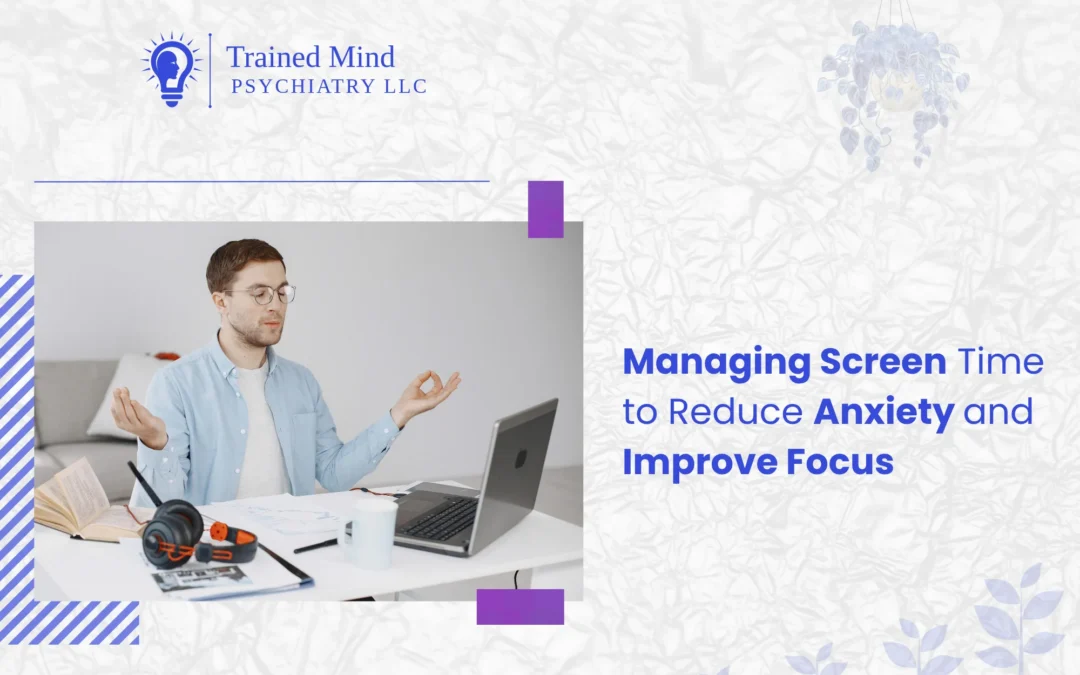
We live in a society that is always on. Screens are present for practically every moment: work emails, scrolling social media, streaming shows, news alerts, late-night phone checks. For many, this relentless digital presence quietly feeds worry and erodes our capacity to concentrate.
The good news is that you may reduce your anxiety levels significantly and regain your sharpness of focus if you control your screen time with intent. In this guide, you’ll learn why screens damage mental health, how to detect the signs, and practical, sustainable strategies to take back control.
Why Screen Time Matters for Mental Health
Screen time itself is not necessarily harmful. The problem emerges when it is excessive, unstructured, and emotionally charged. The constant notifications, algorithmic content, and the urge to be responsive maintain the nervous system in a kind of low-grade alert. Over time, this can increase anxiety and can make sustained focus tougher than it needs to be.
Mentally speaking, the brain responds to constant digital stimuli as it does to any other stressor. Likes, new messages, or video recommendations provide a short dopamine rush that trains the mind to seek more input, which can leave people feeling restless or on edge when the screen is put down. Meanwhile, less time for real-world activities, movement, face-to-face discussion, and silent reflection removes natural buffers against worry and mental weariness.
How Excessive Screen Time Can Increase Anxiety
Several interrelated patterns often link heavy screen use with greater anxiety:
- Constant partial attention: The mind is alert rather than resting, toggling between apps and tabs. This sustained, mild stress response can make everyday worries feel bigger.
- Comparison and information overload: Social feeds and news streams are often just curated highlights or alarming headlines. Repeated exposure can increase feelings of inadequacy or threat.
- Sleep disruption: Screens in the evening, especially before bed, interfere with the body’s natural wind-down process. And poor sleep then worsens next-day anxiety.
- Fear of missing out and digital immediacy: The fear of missing out on something important on the internet leads to endless checking and a cycle of anticipatory anxiety.
The first step to change is recognizing these patterns. Many people get anxiety spikes after long stretches of scrolling, or after reading emotionally charged content late at night.
The Connection Between Screens and Focus
Focus is a limited resource. Every notification, autoplay video, or quick social media check diverts attention and demands mental energy to get back to the original task. This trains the brain to like bursts of stimulation rather than deeper concentration over time.
The usual effects are:
- Difficulty engaging in reading, writing, or problem-solving without using a device
- Mental “fog” or feeling restless during more passive activities
- Diminished capacity to concentrate in meetings or conversations
- Multitasking on screens makes us feel more productive, even if the actual output is falling
The first step in getting better at concentrating is usually to protect blocks of uninterrupted time and to slowly rebuild the ability to focus over time.
Practical Ways to Manage Screen Time
Effective change is rarely about sudden digital detoxes that seem restrictive. Sustainable progress is frequently made by clear boundaries, environmental design, and by replacing screen habits with activities that promote quiet and attention.
Set clear boundaries around when and how you use screens
- Designate specific times of the day that will be screen-free (for example, the first hour after getting up and the last hour before going to bed).
- Establish device-free zones in your home like the bedroom or the dining room table.
- Use “do not disturb” or focus modes when you’re doing intense work or hanging out with family.
- Batch notifications: check messages and email at predetermined intervals, instead of constantly.
Design your environment to support better habits
- Keep your phones out of reach or in another room for work or enjoyment.
- Turn off non-essential notifications and uninstall high-distraction apps from the home screen.
- Use grayscale mode or simpler home screens to make smartphones less visually appealing.
- Charge devices outside the bedroom to safeguard sleep.
Practice mindful and intentional use.
- Before opening an app, pause and ask what you intend to do and how long you plan to spend.
- Set a timer for recreational scrolling and stop when it ends.
- Notice physical and emotional cues; tight shoulders, racing thoughts, or irritability often signal it is time for a break.
- Replace passive consumption with more active alternatives when possible (for example, listening to a podcast while walking instead of endless video feeds).
Build offline anchors into your day
- Take short breaks to get the blood moving, even a few minutes of stretching or walking.
- Make time for face-to-face talking, reading actual books, hobbies, or just sitting around with no stimulation.
- Get outside when you can; sunlight and movement help with mood and attention regulation.
- If you feel a strong urge to check a device, try short grounding exercises like slow breathing or noticing five things you can see or hear.
Use technology to support, not undermine, your goals
Many phones and computers have built-in screen time tools, app limits, and focus modes. Third-party apps can also assist in tracking patterns and setting boundaries. The trick is to pick tools that support your intentions, not add another source of digital demand.
Additional Tips Tailored to Common Situations
- Working professionals: Turn off notifications and use website blockers during deep work hours. Schedule email- and meeting-heavy times on purpose.
- Parents and caregivers: Be a good role model and develop family agreements about screen time. Make device-free meals and bedtime routines a priority.
- People already managing anxiety: Take note of what kinds of content you know will reliably make you more anxious (certain news topics, social comparison feeds) and put stricter boundaries on those. Limit screen time and pair it with tried-and-true anxiety-support practices such as regular movement, consistent sleep, and, when needed, professional support.
- Anyone feeling overwhelmed: Begin small. Often, changing just one high-impact habit, such as no phones in the bedroom, creates momentum for more changes.
When Reduced Screen Time Alone Is Not Enough
For some people, anxiety or concentration difficulties persist even after improving digital habits. In those cases, screen time management is still valuable, yet it works best alongside other supports. Persistent worry, panic symptoms, or significant trouble focusing may benefit from evaluation by a mental health professional. Evidence-based approaches such as cognitive behavioral strategies, medication when appropriate, and skills training can address underlying factors that screens may amplify but do not solely cause.
Start Small and Protect Your Peace
It’s less about perfection, and more about making room for the mind to relax and focus. Small, steady shifts, firm boundaries, intentional use, and offline anchors can help lower the background hum of anxiety and bring prolonged focus back toward the natural. Begin with one or two modifications that seem doable and see what becomes better from there. Your attention and peace of mind are precious.
If persistent anxiety or focus difficulties continue even after adjusting your screen habits, professional support can make a meaningful difference. At Trained Mind Psychiatry, we help individuals understand the connections between daily stressors and mental well-being, offering thoughtful, personalized care to support calmer days and clearer focus.
FAQs
How long does it take to notice benefits from better screen habits?
Many experience improved sleep and a calmer baseline within days to a couple of weeks of consistently setting boundaries. Often, the development of focus gains is slow as the brain adjusts to longer durations of continuous attention.
Is all screen time equally problematic?
No. Interactive video chats with family and friends, purposeful and instructional usage of content, or creative digital work are not the same as passive browsing or late-night news intake. Context and intention count.
What if my job requires heavy screen use?
Control what you can, like how you react to notifications, taking frequent breaks, rotating between projects, and protecting non-work screen-free time. In general, small changes in the environment can reduce cognitive load.
Can reducing screen time help with both anxiety and focus at once?
Yes. Reducing digital overstimulation frequently soothes the nervous system and, at the same time, conserves mental resources for focus. Sometimes the benefits are mutually reinforcing.
